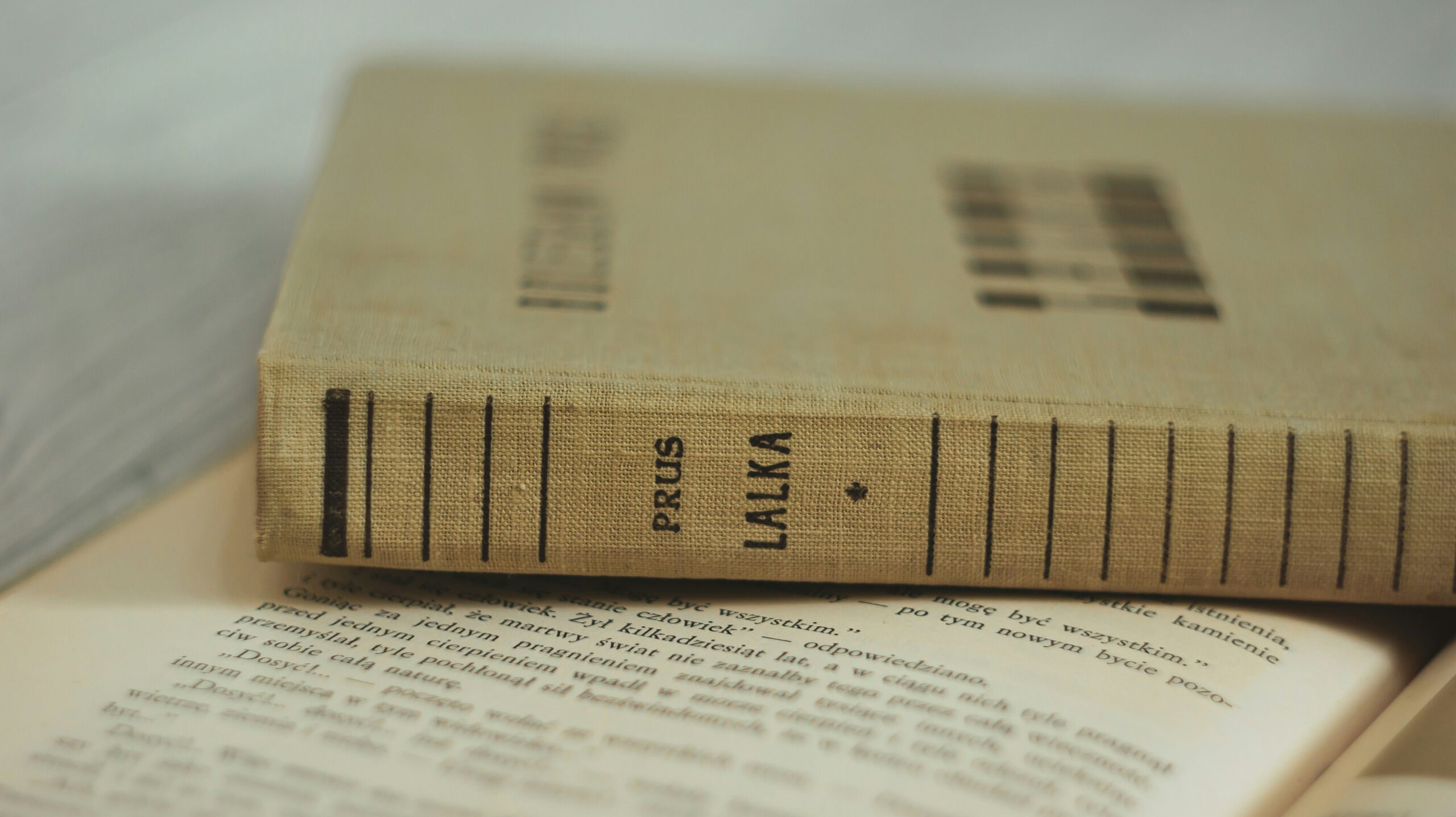
Warsaw in the second half of the 19th century, described by Bolesław Prus in The Doll, is more than just the background for the lives of Stanisław Wokulski, Izabela Łęcka, or Ignacy Rzecki. The city itself is like a character in the story – changing fast, full of new buildings, shops, and people. Streets, alleys, stores, and houses are described so clearly that readers can easily imagine daily life in Warsaw back then. Today, you can walk around Warsaw and find many places from the novel. It’s like a trip back in time, seeing the city through Wokulski’s eyes – a businessman torn between love and his passion for building a modern world.
Wokulski’s Shop – Krakowskie Przedmieście 9 and 7
A key place in “Prus’ Warsaw” is Wokulski’s shop on Krakowskie Przedmieście. First, he worked in Jan Mincl’s shop at number 9 (Beyer’s House) and later opened his own shop at number 7. This is where he started his fortune, ran his business, and had important meetings with clients and partners. Ignacy Rzecki also had a small apartment here. Today, the ground floor has the Bolesław Prus Scientific Bookstore. A plaque near the entrance remembers Rzecki.
Ujazdowskie Avenue and Łazienki Garden – The World of Aristocrats
The houses along Ujazdowskie Avenue belonged to Warsaw’s elite. The Łęccy family lived in one of the buildings between numbers 43–51. Nearby, Łazienki Garden also appears in the novel. Elegant and classy, it showed the social life of 19th-century elites. Visiting these places today, we can see how modern Warsaw looks and notice the contrast between rich aristocrats and the daily struggles of merchants and craftsmen.
Saxon Garden – Meeting and Walking Place
The Saxon Garden was important in the novel as a place to walk and meet people. Wokulski often watched Izabela here. Small daily life scenes of Warsaw residents happened in the garden too. Today, the garden still keeps part of its old charm. Walking there, you can feel the atmosphere of the novel – hopes, tensions, and disappointments. For fans of The Doll, it is almost a must-visit.
Vienna Train Station – A Symbol of Modernity
The Vienna Train Station, once Warsaw’s main railway station, symbolized the city opening to the world. Characters traveled from here for business, family, and symbolic trips. Wokulski, interested in modern ideas and science, used it many times. Today, the station is gone, but its location near the current Central Station is still an important city spot.
Powiśle – District of Poverty and Contrasts
One of the most moving parts of Warsaw in The Doll is Powiśle. Wokulski saw extreme poverty and social inequalities here. People lived in difficult conditions, near rich palaces and shops. Today, Powiśle is very different – full of modern buildings, cafes, and riverside boulevards. Walking there, it’s important to remember the big contrasts that existed in the 19th century, which Prus showed in detail.
Grand Theatre – Cultural Heart of the City
The Grand Theatre was and still is the center of culture. Characters of The Doll went to performances here. For Izabela, it was a place to shine socially. Visiting the theatre today, you can see the impressive building and feel the old Warsaw atmosphere, where theatres were places to meet, talk, and show social status.
Łęcki Tenement House – Krucza street no. 24
The original Łęcki tenement house, identified in 1939 by poet Stefan Godlewski, did not survive World War II. Helena Stawska lived here with her daughter and mother, along with Countess Krzeszowska and some independent students. Prus himself lived nearby at Krucza 25 while writing The Doll, so he may have used his own or neighboring houses as inspiration.
Walking in Wokulski’s Footsteps – Literary Warsaw
A journey through Wokulski’s Warsaw is more than visiting places. It’s a chance to think about how the city changed – from a small provincial town under Russian rule to a busy center of trade and culture. Thanks to The Doll, we can see Warsaw as a complex character, full of contrasts, emotions, and life.
Warsaw of The Doll still inspires today. Even though many streets and buildings have changed, the spirit of the city described by Prus remains. Walking in Wokulski’s footsteps helps you understand the novel better and discover Warsaw’s history – its people, dreams, and daily struggles. For every literature fan, it’s a must-see trip, mixing sightseeing with deep reflection on how books can shape the way we see the world.